What Makes a Tulip Contact the Most Reliable Connector for High-Performance Applications?
2025-12-08
The stability and efficiency of electrical connections directly affect the performance of today's devices, from automotive electronics to precision instruments. A Tulip contact is widely used in high-end connector systems because of its excellent elasticity, secure contact force, and long service life. As a manufacturer committed to high-precision components, Ningbo Richge Technology Co., Ltd. provides tulip contacts engineered for consistent conductivity and superior mechanical reliability. This article explains how tulip contacts work, their key advantages, technical parameters, applications, and why they are essential for modern industries.
Why Choose a Tulip Contact for Precision Electrical Connectivity?
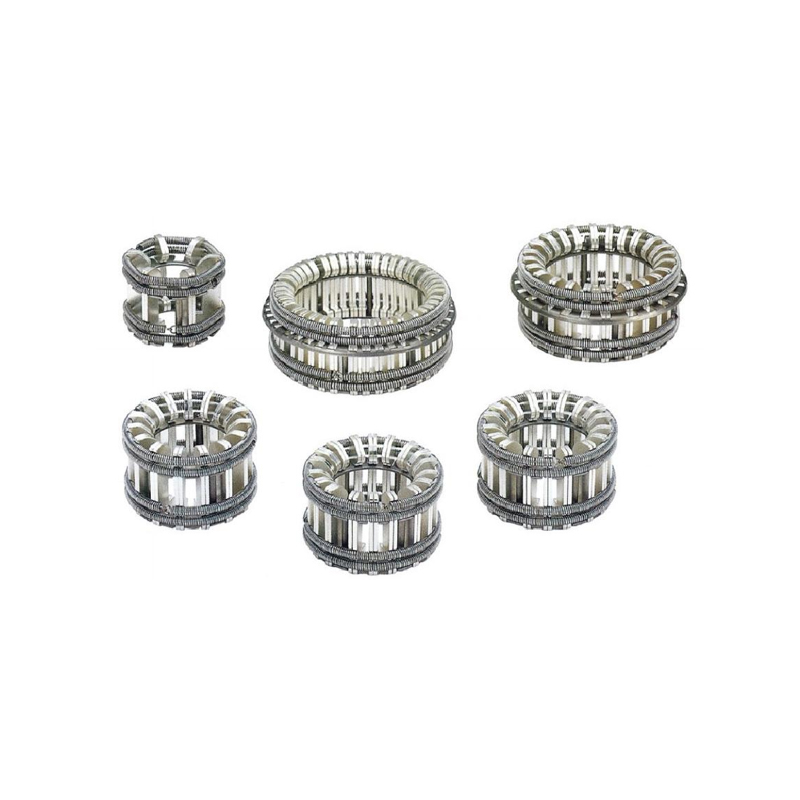
A tulip contact is designed with multiple spring-like fingers arranged in a circular pattern. When the mating pin enters the socket, these fingers flex evenly to provide uniform pressure and stable contact resistance. This structure ensures reliable transmission even in environments with vibration, temperature fluctuations, or high current requirements.
Key advantages include:
High contact stability due to multi-point elastic engagement
Long lifespan with low wear on both socket and pin
Excellent current carrying capacity because of increased surface contact
Superior performance in vibration-prone environments
Easy assembly and maintenance
These features explain why industries such as EV systems, industrial automation, aerospace, battery packs, and testing equipment rely on tulip contacts.
How Does the Design of a Tulip Contact Improve Electrical Performance?
The unique structure of a tulip contact delivers several engineering benefits:
1. Multiple Contact Fingers
The multiple spring fingers provide redundant contact points, ensuring a stable electrical path even if one part experiences micro-movement.
2. Consistent Elastic Force
The elastic properties of the fingers maintain constant pressure, reducing signal loss and preventing momentary disconnections.
3. Superior Conductivity
With larger contact surface area, tulip contacts allow higher currents to pass with lower resistance.
4. Smooth Mating & Unmating
The engineered geometry reduces friction, ensuring easy plug-in operations and minimizing mechanical wear.
What Are the Key Technical Parameters of a Tulip Contact?
The parameters below represent the typical specifications provided by Ningbo Richge Technology Co., Ltd., tailored for industrial and electronic applications.
Testing & Measurement – test sockets, probe interfaces
Medical Electronics – high-reliability signal transmission
Their structure ensures stable electrical performance even in harsh or high-duty environments.
How to Select the Right Tulip Contact for Your Application?
Choosing the correct tulip contact depends on several engineering considerations:
1. Determine Current & Voltage Requirements
Higher currents demand larger contact diameters or enhanced plating.
2. Evaluate Environmental Stress
Vibration, temperature, and mechanical movement influence plating choice and spring design.
3. Match with Pin Diameter
Accurate dimensional matching ensures correct elastic force and reliable connection.
4. Specify Plating Type
Gold: best for low-level signals and corrosion resistance
Silver: ideal for high current conductivity
Nickel: economical protection with durability
5. Consider Cycle Life
Applications with frequent mating require higher-grade materials like beryllium copper.
Why Are Tulip Contacts Essential in High-Cycle, High-Reliability Systems?
Many connectors fail due to friction wear, increased contact resistance, or fatigue of the spring mechanism. Tulip contacts solve these issues with:
High elasticity retention even after thousands of cycles
Self-centering fit for consistent alignment
Reduced risk of arc damage due to stable contact force
Low maintenance and replacement cost
This makes tulip contacts indispensable in industrial and power applications requiring uninterrupted performance.
FAQ About Tulip Contact
1. What is a Tulip contact and where is it used?
A tulip contact is a circular elastic contact with multiple spring fingers designed for stable electrical connections. It is widely used in EV systems, industrial automation, power distribution, and high-reliability connectors.
2. Why does a Tulip contact offer better stability than traditional contacts?
The multi-point elastic structure provides uniform pressure and more contact surface, reducing resistance and preventing signal loss even under vibration or heat.
3. How long can a Tulip contact last in continuous use?
Depending on material and plating, a tulip contact from Ningbo Richge Technology Co., Ltd. can withstand 10,000–100,000+ insertion cycles while maintaining stable performance.
4. What factors should I consider when choosing a Tulip contact?
You should consider current rating, pin diameter, plating type, environmental temperature, vibration levels, and required cycle life.
Conclusion: Why Partner with Ningbo Richge Technology Co., Ltd. for Tulip Contacts?
A tulip contact offers unmatched stability, long service life, and excellent electrical performance, making it a preferred choice across modern industries. With strong engineering capabilities and strict quality control, Ningbo Richge Technology Co., Ltd.provides high-precision tulip contacts tailored to demanding applications. For technical consultation or custom specifications, feel free to contact our team anytime.
If you'd like, I can also prepare a shorter version, a product page version, or an optimized meta description.
We use cookies to offer you a better browsing experience, analyze site traffic and personalize content. By using this site, you agree to our use of cookies.
Privacy Policy