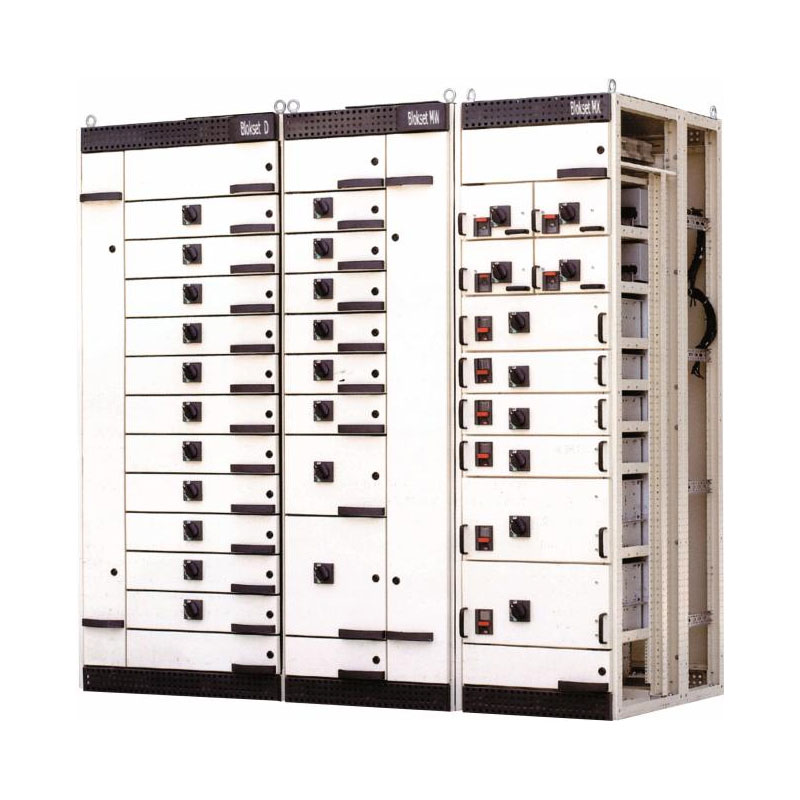
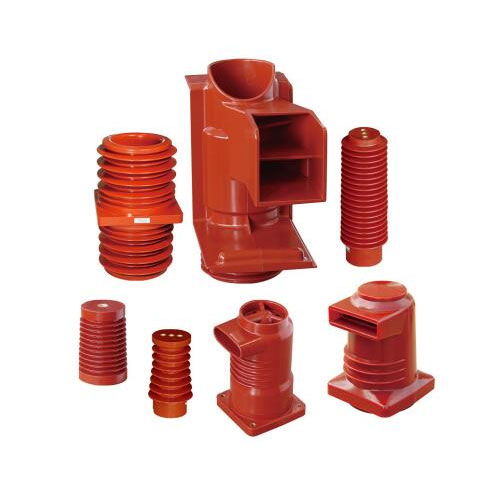
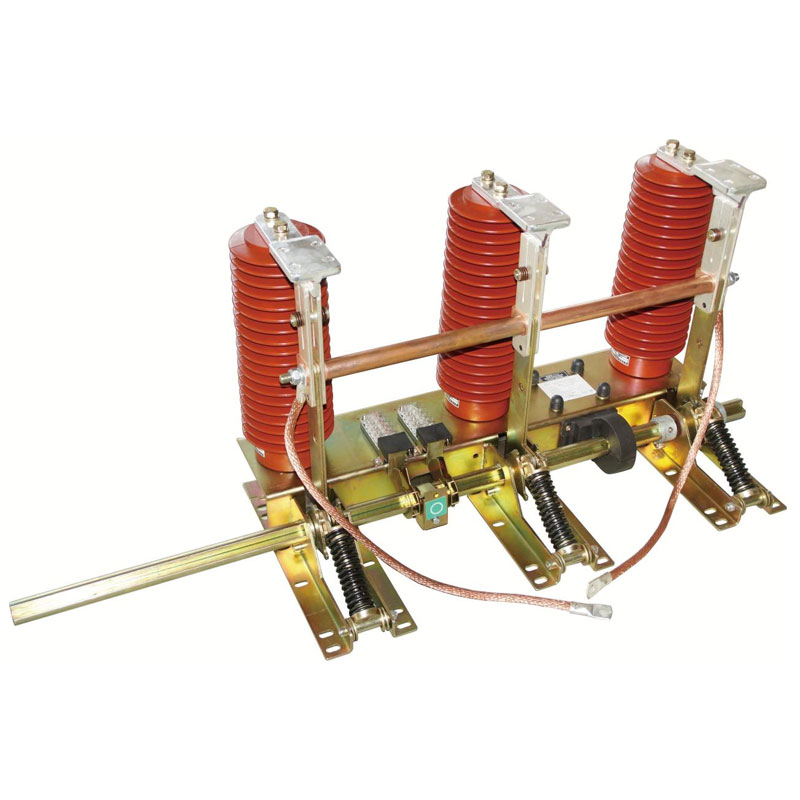
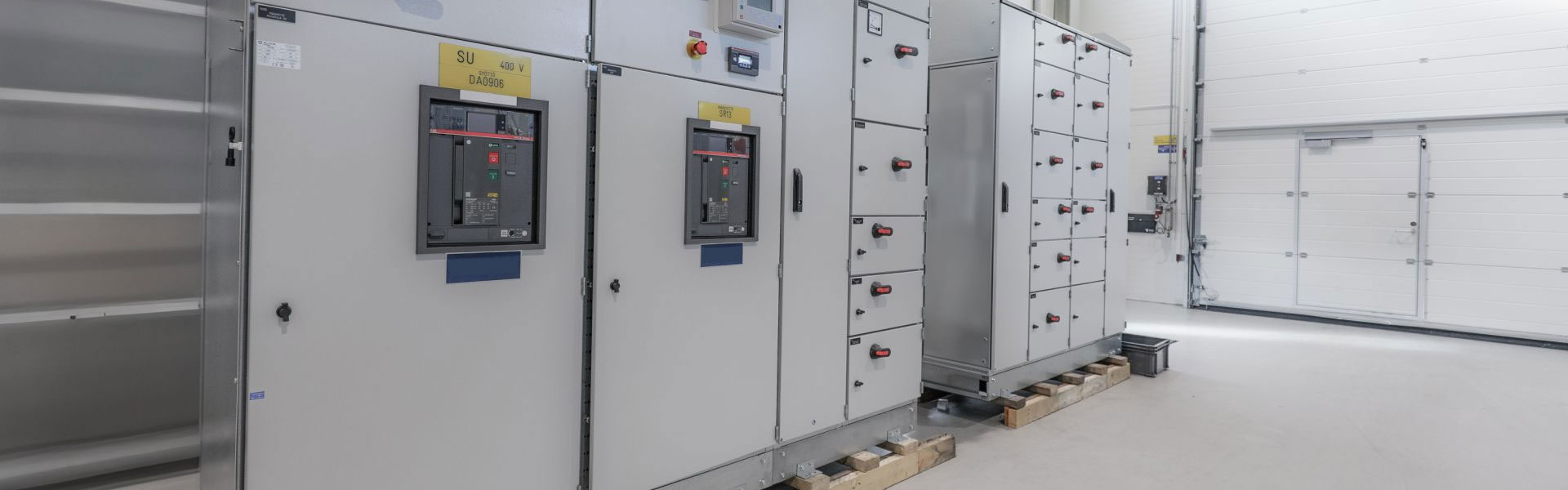
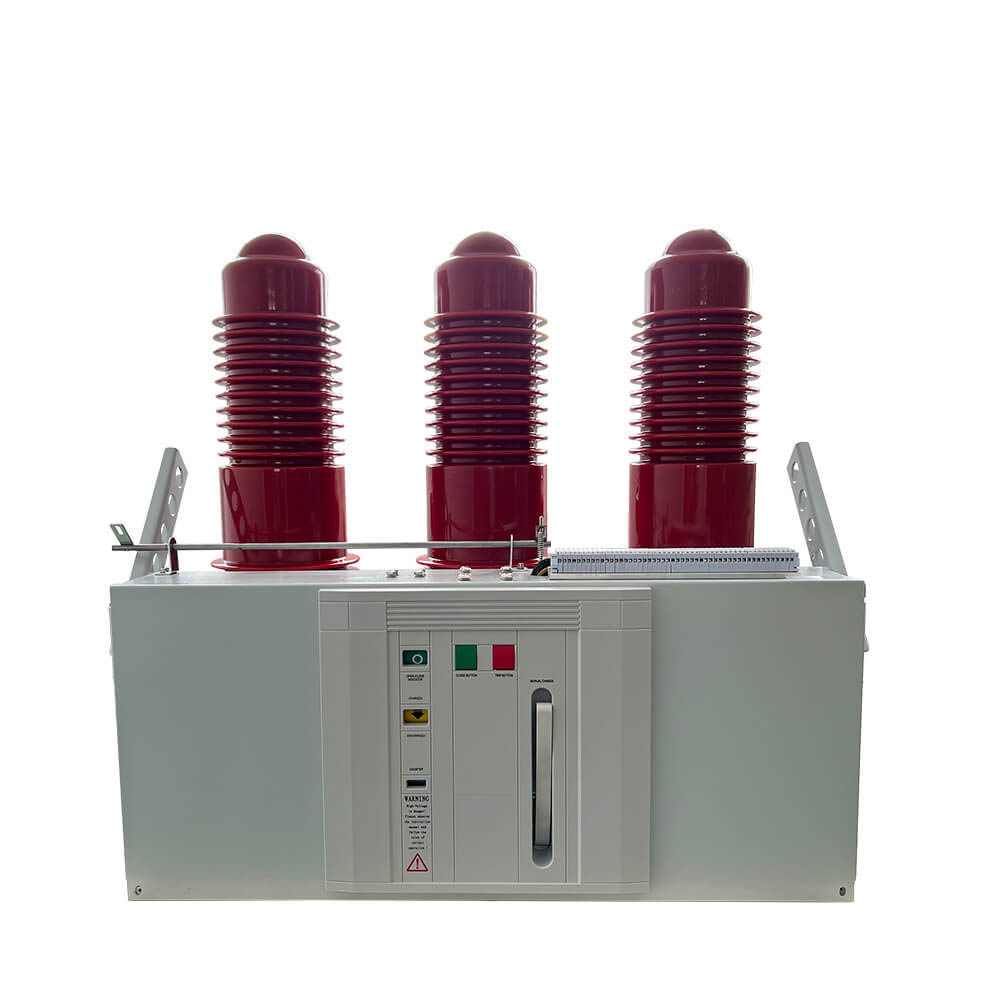
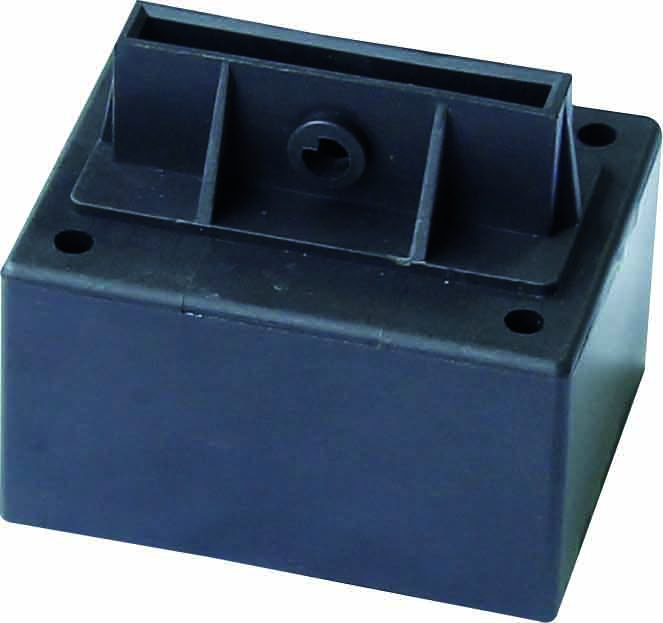
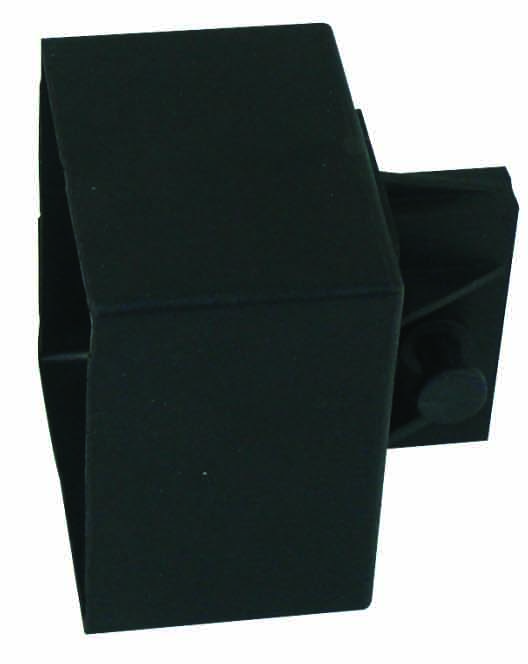
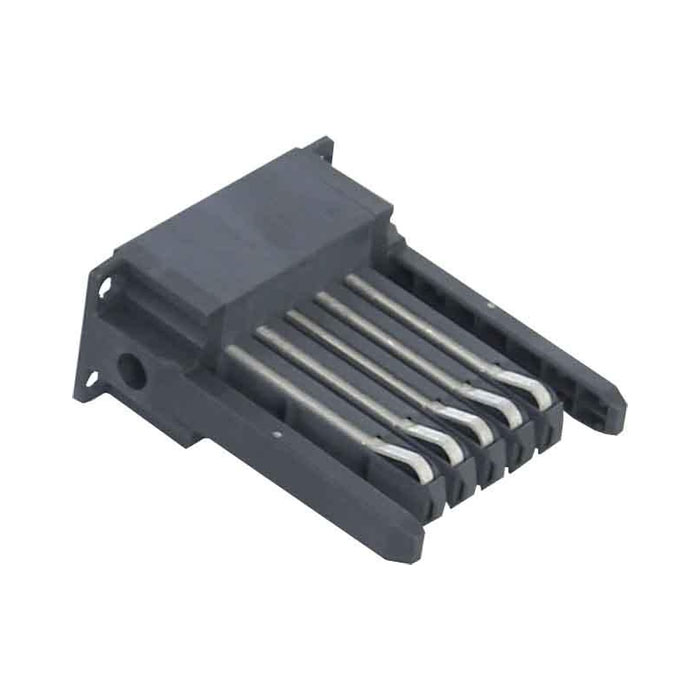
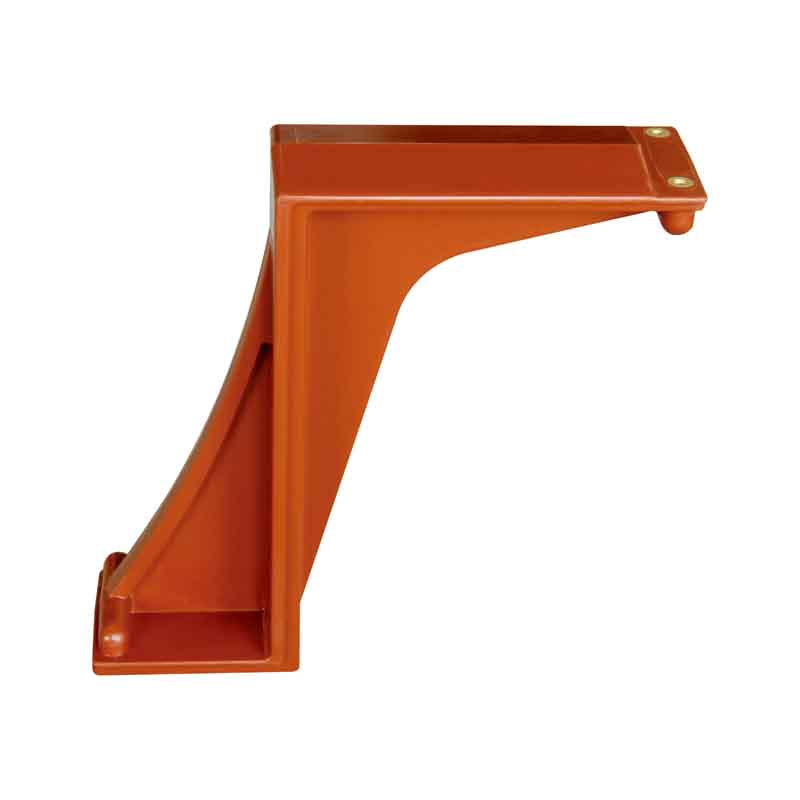
Ask any electrical engineer to name the most critical part of a low voltage switchgear assembly, and the answer will likely be the circuit breaker. Or perhaps the disconnect switch. Maybe the busbar system. Rarely does anyone mention the accessories. Yet experienced maintenance teams know a different reality: a switchgear system fails more often at the auxiliary contact, the terminal block, the interlock mechanism, or the indicator light than at the main power path. The circuit breaker may be the heart of the switchgear, but the accessories are the nervous system.
Richge understands this distinction. As a manufacturer focused on low voltage switchgear accessories, the company produces the components that enable, monitor, protect, and control the primary equipment—circuit breakers, disconnect switches, busbars, fuses, and metering devices—all housed within robust metallic enclosures. Operating at voltages up to 1,000 volts, these accessories serve industrial manufacturing plants, commercial buildings, renewable energy installations, and infrastructure projects including airports, railways, and water treatment facilities.But before examining accessory-specific engineering, one question deserves an answer: why do the secondary components often matter more than the primary ones?
The Hidden Failure Points in Low Voltage Switchgear
Statistical analysis of electrical distribution failures reveals a consistent pattern. Main power components—circuit breaker contacts, busbar joints, and disconnect blades—fail at predictable intervals based on load cycles and environmental exposure. These failures can be anticipated and scheduled.
Accessories fail unpredictably. An auxiliary contact that oxidizes prematurely causes a control circuit to lose feedback, shutting down a process even though the main power path remains intact. A terminal block that loosens from thermal cycling creates intermittent connections that drive maintenance teams into chasing ghosts. A mechanical interlock that binds prevents a breaker from closing, disabling an entire feeder.
These low voltage switchgear accessories are not optional embellishments. They are functional necessities. Without proper accessories, the main components cannot be monitored, controlled, or coordinated.
What Low Voltage Switchgear Accessories Actually Do
The term "accessories" understates their importance. A more accurate description would be "support systems." Within a typical low voltage switchgear assembly, accessories perform five distinct categories of work.
Monitoring and Indication
Operators must know the state of each circuit without opening doors or removing covers. Accessories in this category include:
Auxiliary contacts that follow the position of the main breaker contacts—open or closed, tripped or reset
Indicator lights showing power presence, breaker status, or alarm conditions
Meters and transducers measuring voltage, current, power, and frequency
Communication modules that send status data to building management systems or supervisory control and data acquisition systems
Without these low voltage switchgear accessories, an operator has no visibility into the distribution system. The switchgear becomes a black box.
Control and Interlocking
Multiple sources feeding the same bus require coordination to prevent backfeed or parallel operation. Accessories enabling control include:
Shunt trips that open a breaker remotely from a control panel or emergency stop circuit
Undervoltage releases that trip the breaker when supply voltage drops below a threshold
Key interlocks that mechanically prevent conflicting operations—for example, preventing a generator breaker from closing while the utility breaker is closed
Motor operators that open or close breakers under motor control rather than manual effort
Power cannot flow through components that are not properly connected. Termination accessories include:
Terminal blocks for control wiring, arranged for identification and access
Cable lugs and connectors sized for specific conductor types and current ratings
Busbar connections and joints designed for thermal expansion without loosening
Inadequate low voltage switchgear accessories at connection points generate heat, which accelerates insulation aging and eventually causes failure.
Mechanical Support and Positioning
Components must stay where they are placed. Mechanical accessories include:
Mounting brackets and rails for circuit breakers and other devices
Door interlocks that prevent opening while the breaker is on
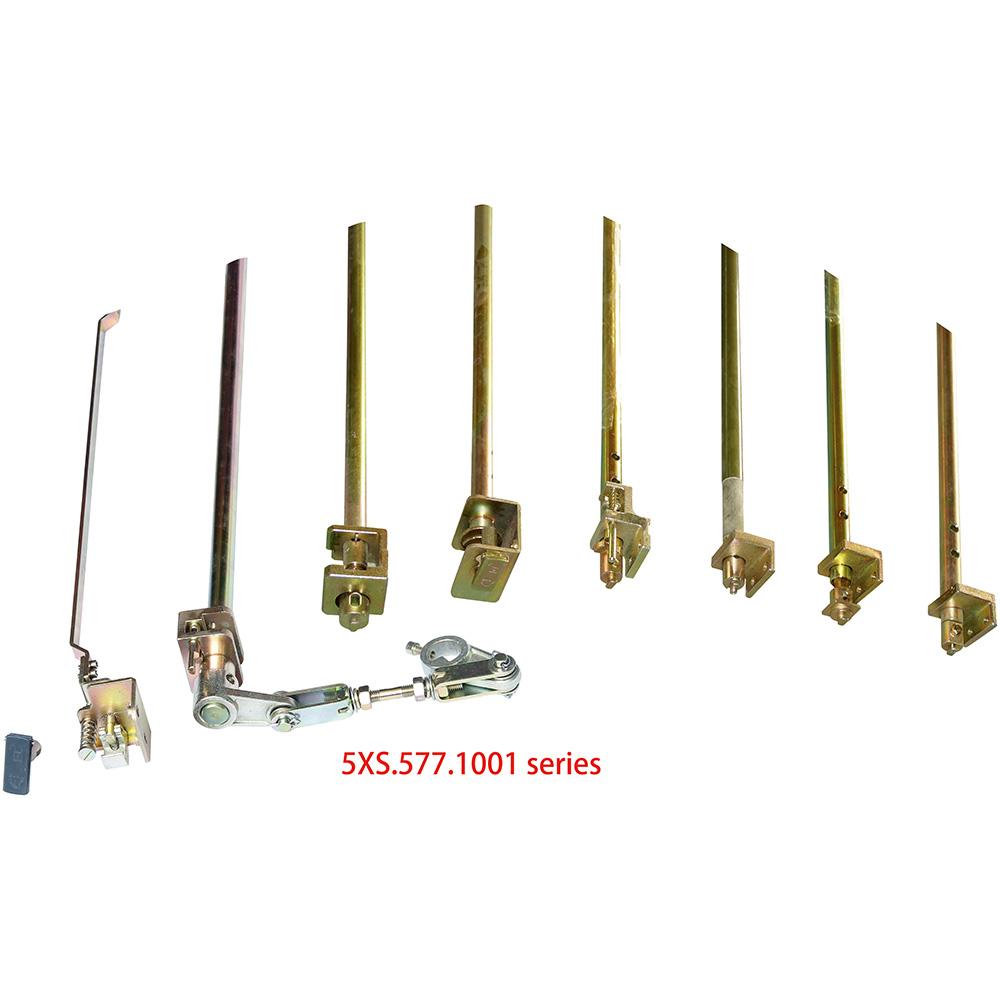
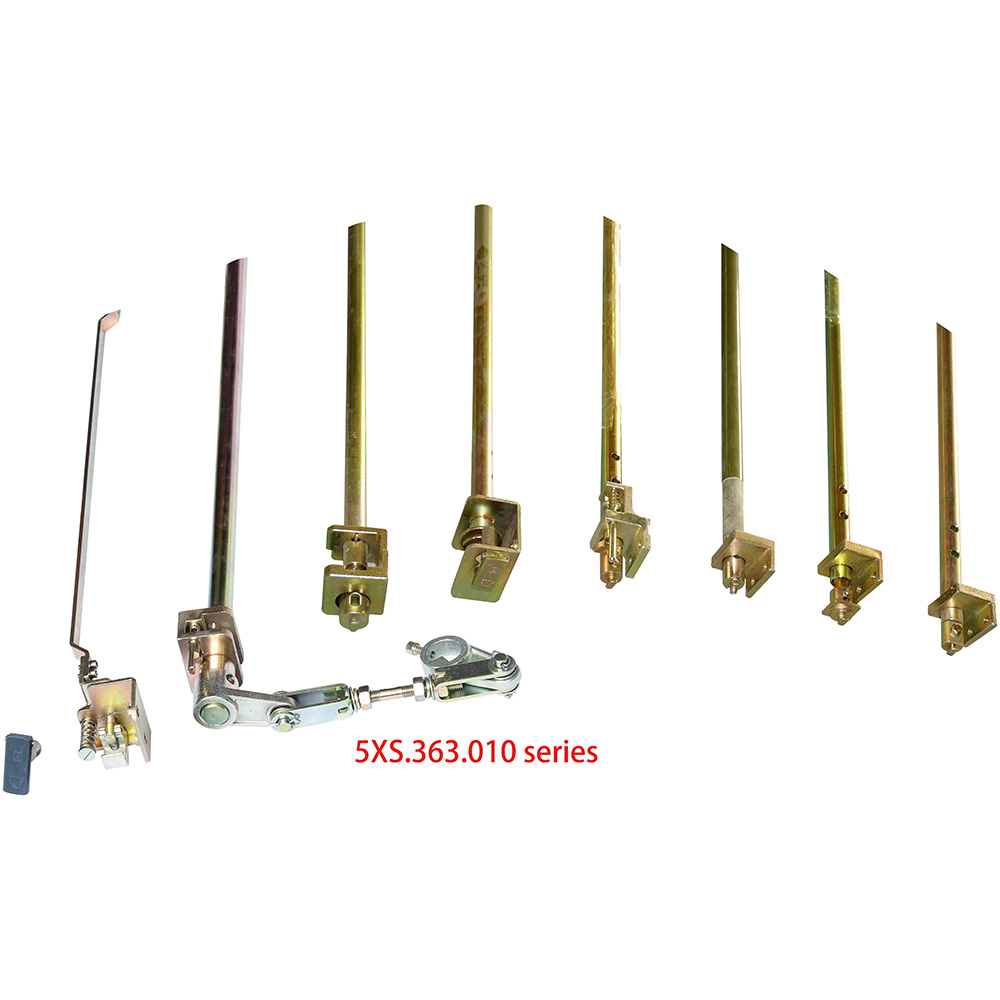
Handle mechanisms and linkages that transfer operator motion to breaker mechanisms
These low voltage switchgear accessories seem elementary until they fail—at which point the entire assembly becomes unsafe or inoperable.
Environmental Protection
Switchgear installed in dusty, humid, or corrosive environments requires sealing and filtration accessories:
Gaskets and seals for enclosure doors
Filters for ventilation openings
Space heaters to prevent condensation
Humidity indicators
For low voltage switchgear accessories of this type, the cost is minimal relative to the cost of corrosion-related failure.
Safety Features Embedded in Accessory Design
Modern low voltage switchgear incorporates safety features that rely on accessory components. These are not add-ons; they are integral to regulatory compliance and personnel protection.
Arc flash protection requires that the switchgear enclosure contain or redirect arc energy. Door latches, viewing windows, and pressure relief panels—all accessories—determine whether an arc flash event injures the operator or remains confined.
Overload protection requires that the trip unit in the circuit breaker receives accurate current signals. Current transformers and voltage transformers are accessories, yet their accuracy determines whether the breaker trips at the intended overload level or allows equipment damage.
Short circuit interruption requires that the breaker contacts open quickly and completely. The operating mechanism, including springs, linkages, and latches, is an accessory system. Its condition determines whether the breaker clears the fault or explodes.
For these reasons, specifying low voltage switchgear accessories at the same quality level as the main components is not conservative engineering. It is standard practice.
Modularity and Flexibility: Accessory-Driven Advantages
One of the most frequently cited benefits of low voltage switchgear is modularity. This modularity exists because accessories are designed to be added, removed, or replaced without disturbing the main power bus.
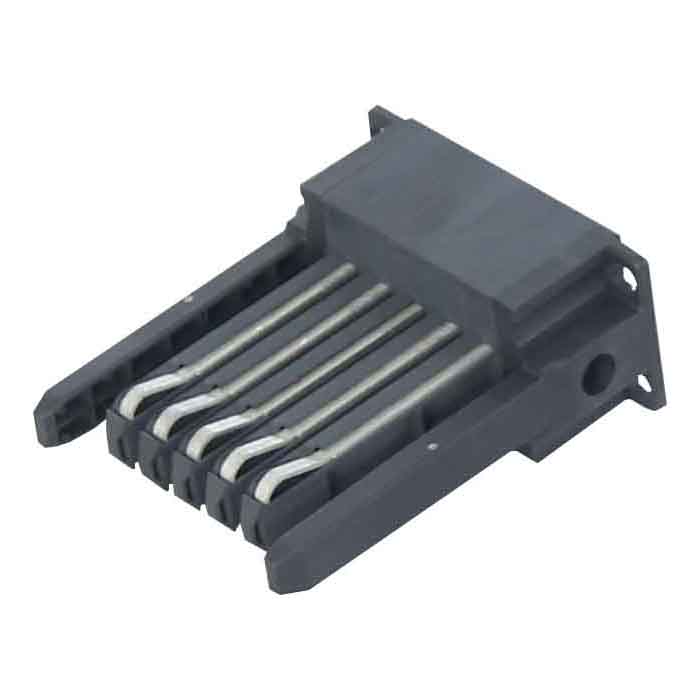
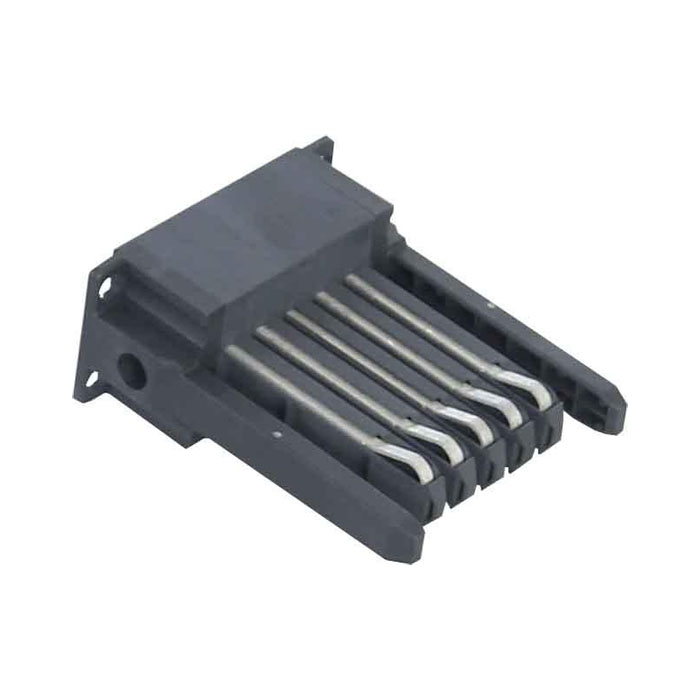
A facility that adds a new production line can insert an additional feeder breaker into an existing switchgear lineup. The process requires mounting brackets (accessory), busbar stabs (accessory), control wiring terminal blocks (accessory), and door handles (accessory). The main busbar and existing breakers remain untouched.
Similarly, upgrading from manual to remote operation requires adding a motor operator (accessory) and a communication module (accessory). The breaker itself—the expensive main component—stays in place.
This flexibility is not accidental. Low voltage switchgear accessories are designed to standard dimensions and interfaces, allowing mix-and-match configuration. Richge's product range supports such modularity across multiple form factors.
Energy Management Through Accessory Integration
Energy efficiency features in low voltage switchgear depend entirely on accessories. The main circuit breaker carries current but does not measure or manage it. Energy management happens through accessory devices:
Power meters that sample voltage and current waveforms to calculate real power, reactive power, power factor, and harmonic distortion
Current transformers that step down primary current to levels safe for meter inputs
Communication gateways that aggregate data from multiple feeders and transmit it to energy management software
Contactor coils and control relays that enable load shedding during peak demand periods
Without these low voltage switchgear accessories, a facility cannot implement demand response, cannot track energy consumption by process line, and cannot verify the savings from efficiency projects.
The claim that modern low voltage switchgear "helps optimize energy consumption and reduce operational costs" is true—but only when the accessory package includes the necessary monitoring and control devices.
Application Environments and Accessory Selection
Different applications impose different demands on low voltage switchgear accessories. Off-the-shelf solutions do not fit all cases.
Industrial manufacturing plants experience vibration from nearby machinery. Accessories in this environment need vibration-resistant terminal blocks, locking hardware, and flexible bus connections that absorb movement without loosening.
Commercial buildings including hospitals and data centers require high availability. Accessories must include redundant monitoring contacts, bypass provisions, and indicators that show pending maintenance needs before failure occurs.
Renewable energy installations face wide temperature swings and UV exposure for outdoor enclosures. Accessories need extended temperature ratings, UV-stable materials, and sealing against dust and moisture ingress.
Infrastructure projects like airports and water treatment plants have long service life requirements. Accessories must be available for decades of replacement cycles, and the manufacturer must provide long-term support.
Richge's position as a low voltage switchgear accessories supplier serving these diverse applications implies a product range broad enough to address each environment's specific demands.
We use cookies to offer you a better browsing experience, analyze site traffic and personalize content. By using this site, you agree to our use of cookies.
Privacy Policy