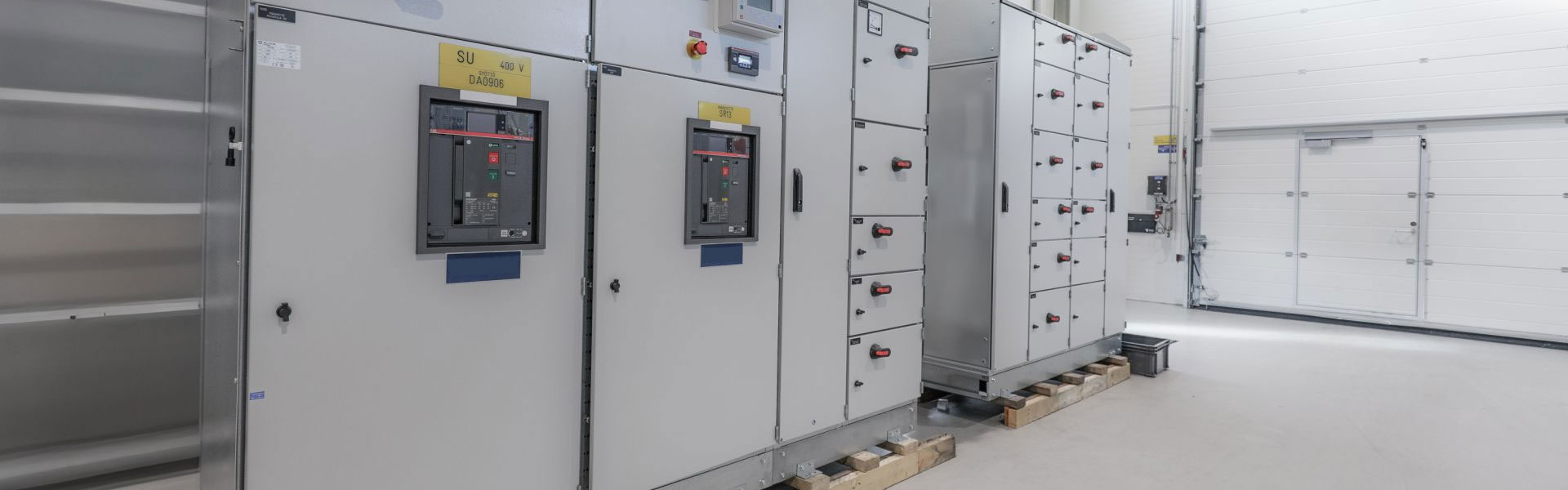
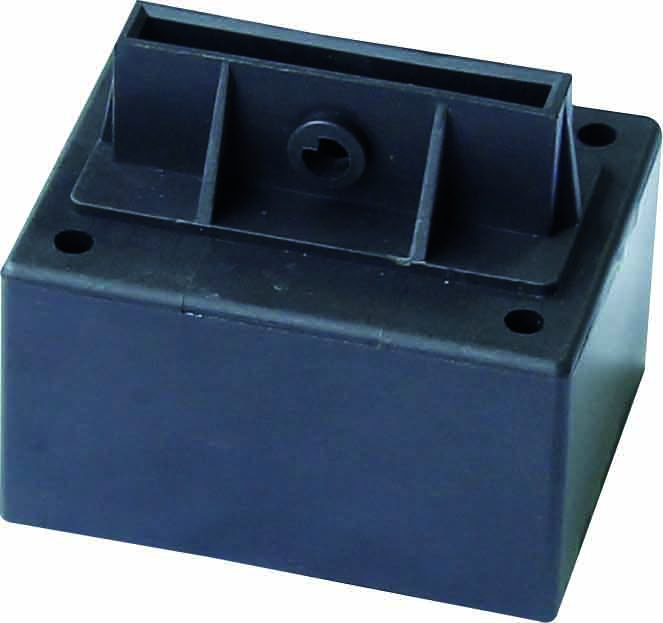
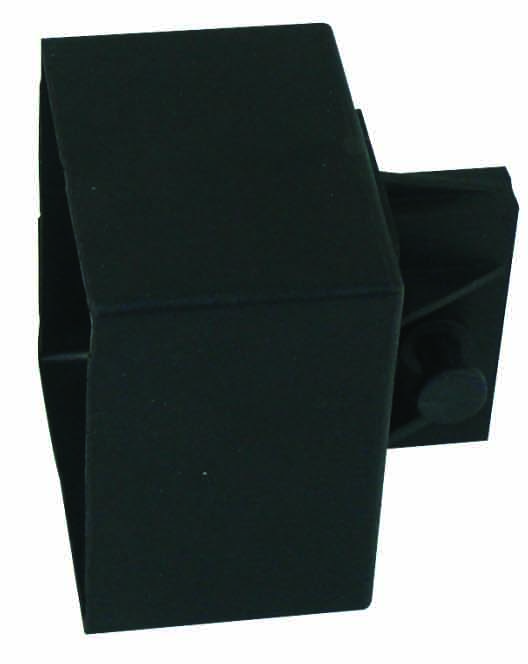
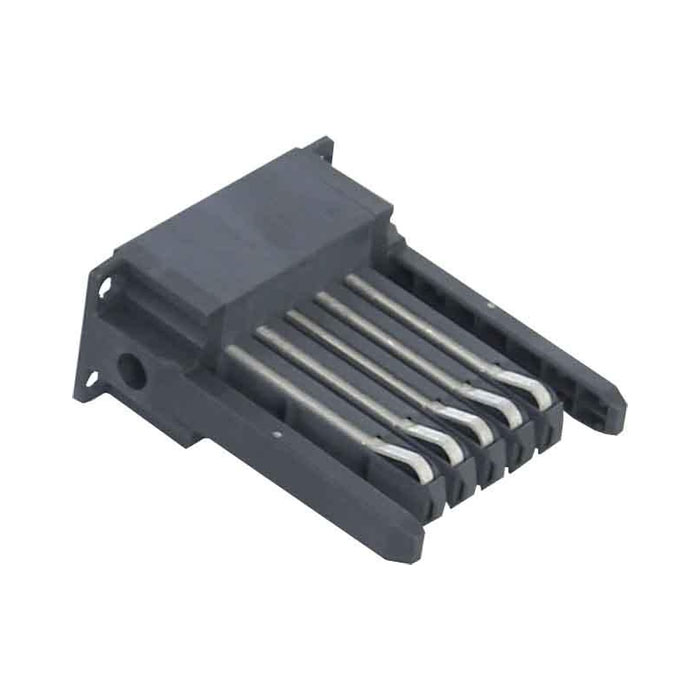
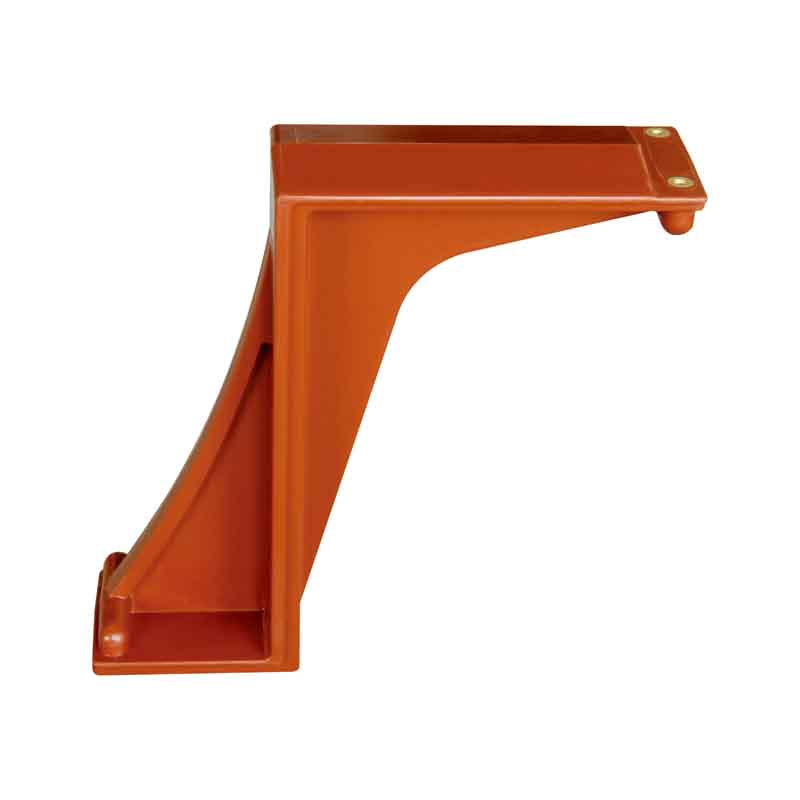
In high-voltage and medium-voltage electrical systems, safety is not only achieved through insulation and protective devices. A large part of electrical safety depends on mechanical coordination between different components, preventing operators from making incorrect switching actions.
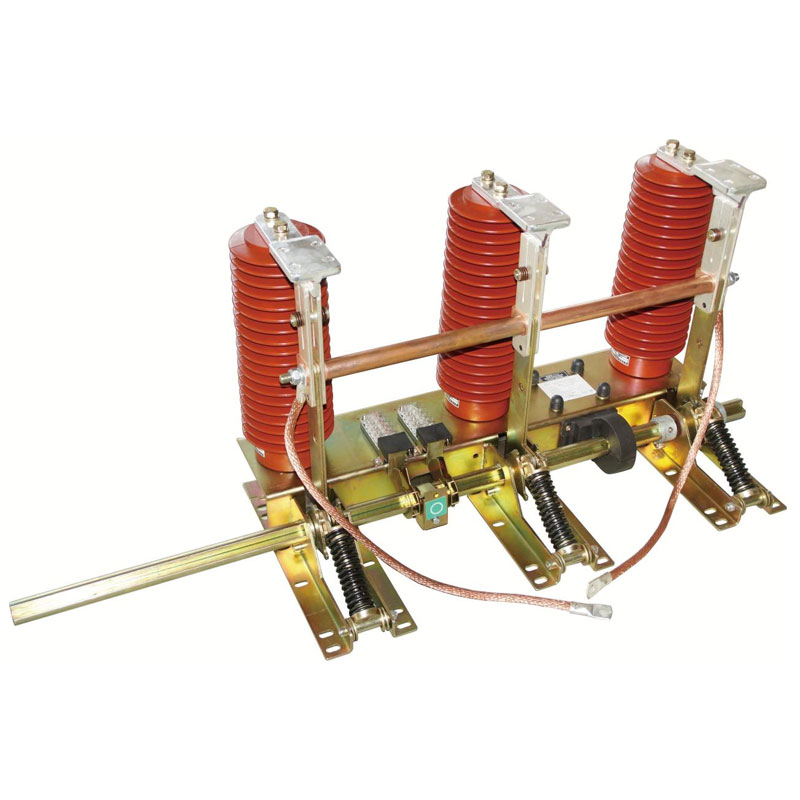
The Ground Switch Operating Mechanism Interlocking Device is one of these important safety components. It is designed to control the operating sequence between the grounding switch and other switching equipment, helping prevent dangerous operations such as closing a grounding switch while the circuit is still energized.
Although this device is usually hidden inside switchgear, it plays a critical role in ensuring reliable operation and protecting both equipment and personnel.
What Is a Ground Switch Operating Mechanism Interlocking Device?
Its main purpose is to ensure that switching operations follow a predefined safety sequence.
For example:
The grounding switch should only be closed after the main circuit has been disconnected.
The cabinet door should remain locked when dangerous voltage may exist.
The circuit breaker should not be closed when the grounding switch is in an unsafe position.
By creating physical restrictions between operating mechanisms, the interlocking device reduces the possibility of human operating errors.
Why Is Ground Switch Interlocking Important?
Electrical equipment can remain dangerous even after a power supply is switched off. Residual voltage, incorrect switching sequences, or unexpected energization can create serious hazards.
A reliable interlocking system helps solve several common problems.
1. Prevents Incorrect Switching Operations
In complex electrical systems, operators may need to perform multiple switching steps.
Without interlocking protection, incorrect actions may include:
Closing the grounding switch on a live circuit
Operating a breaker under unsafe conditions
Opening access doors before grounding is completed
The interlocking device acts like a mechanical "rule keeper", allowing only safe operation sequences.
2. Protects Electrical Equipment
Incorrect switching is not only dangerous for people but can also damage equipment.
Possible consequences include:
Short circuits
Arc faults
Contact damage
Insulation failure
A properly designed interlocking mechanism helps extend equipment service life by reducing abnormal operations.
How Does the Interlocking Device Work?
The working principle depends on the switchgear design, but most systems use a combination of mechanical positioning and locking structures.
Mechanical Interlocking
Mechanical interlocking is widely used because of its reliability.
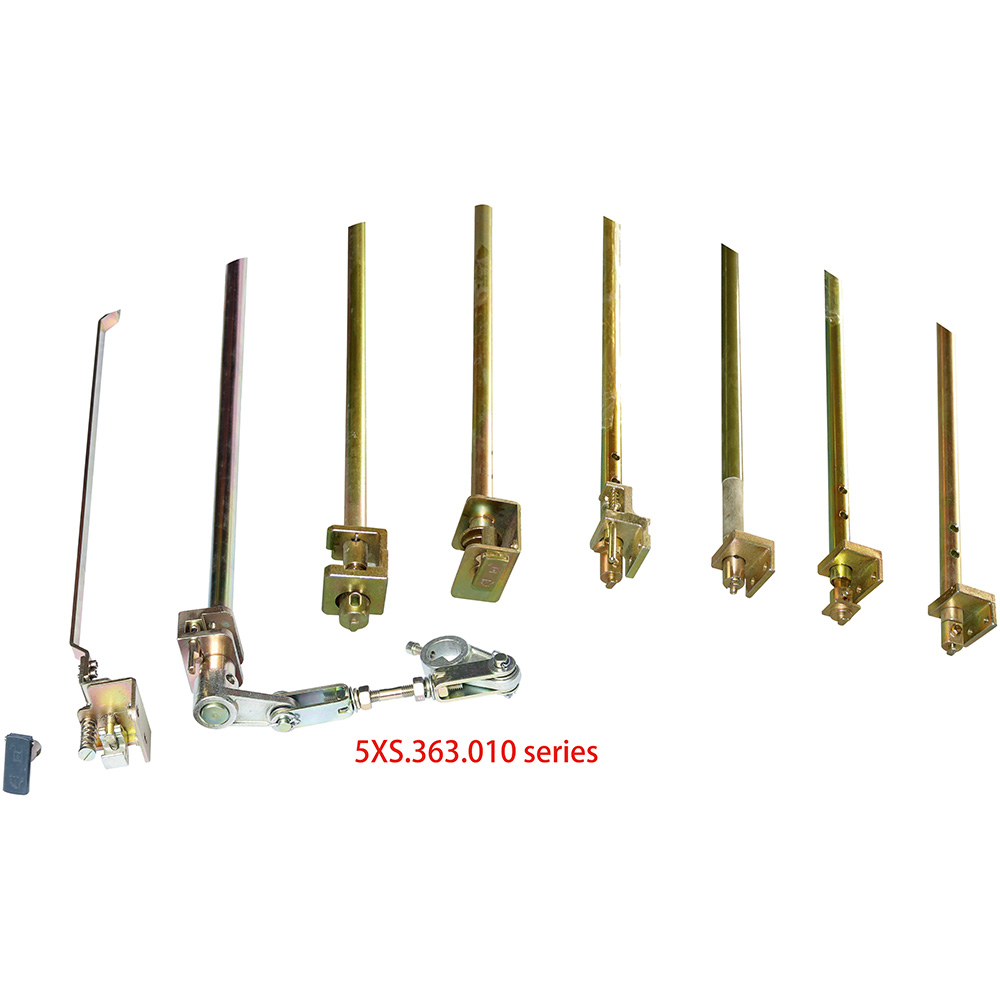
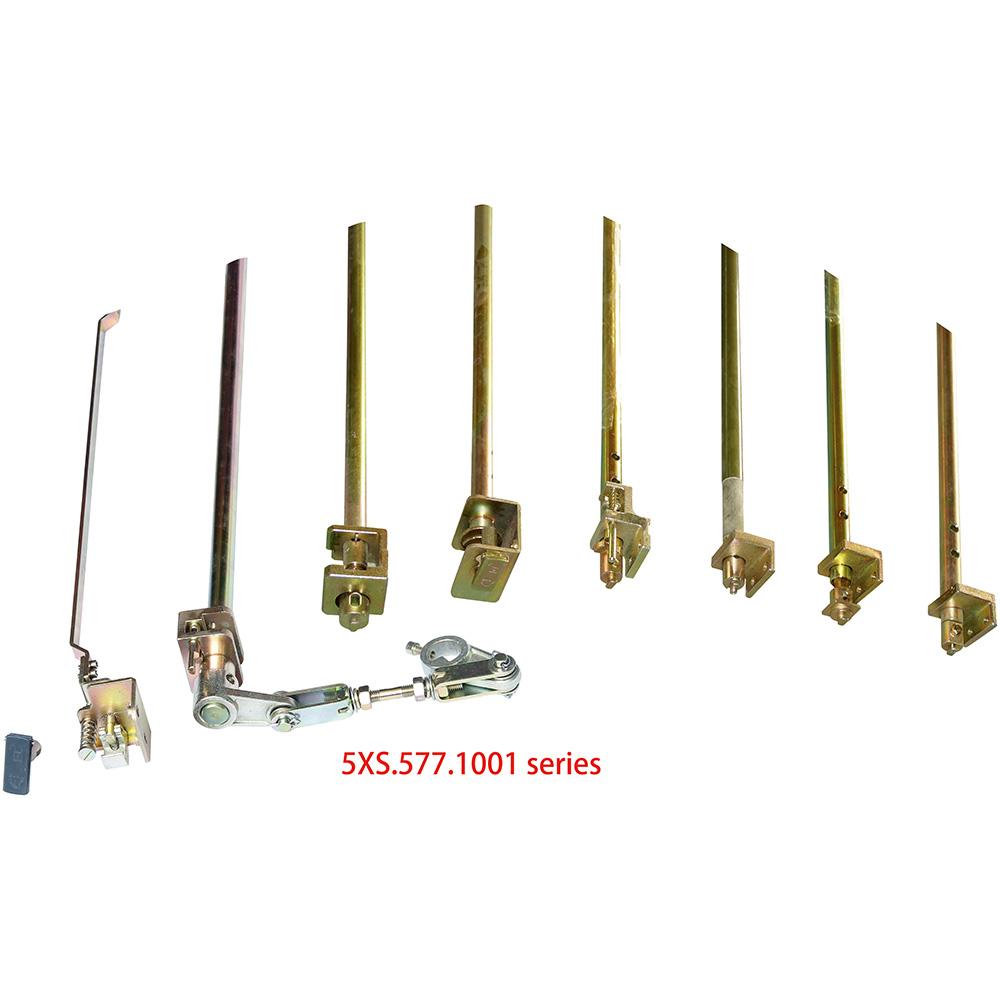
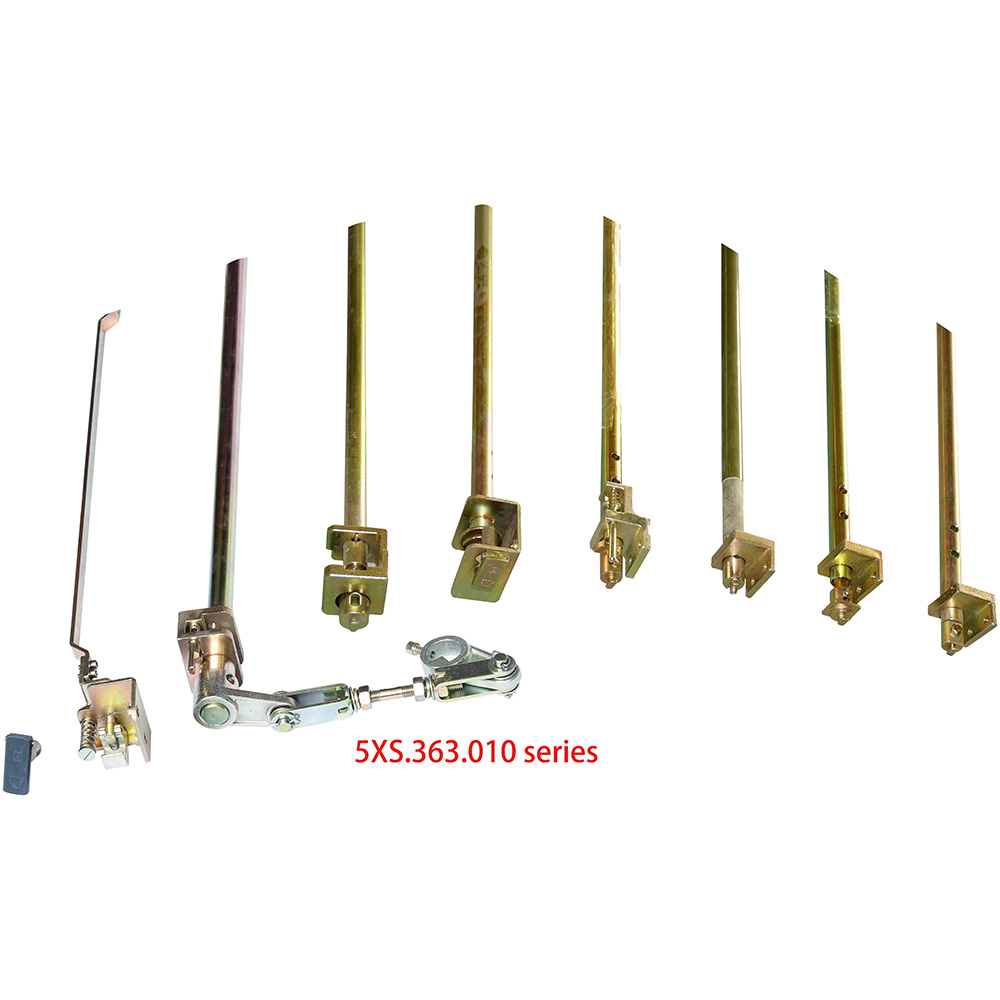
Typical components include:
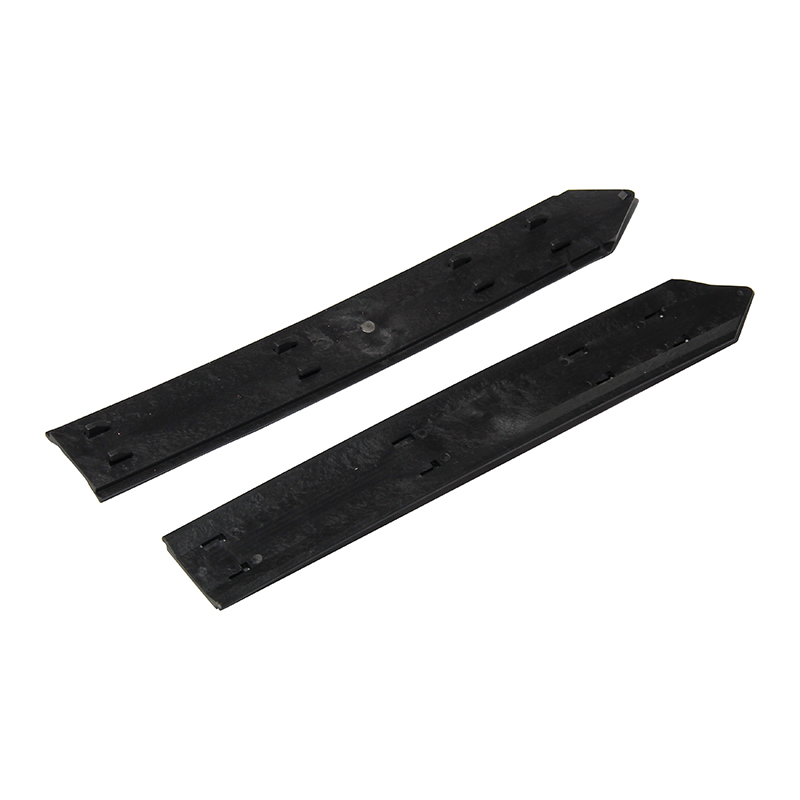
Locking plates
Shafts
Levers
Cam mechanisms
Position indicators
Limit blocks
When one component moves into a certain position, another component is physically restricted from operation.
For example:
Circuit breaker opens.
Disconnect switch reaches isolation position.
Grounding switch operation becomes available.
Grounding switch closes.
Maintenance access is permitted.
Electrical Interlocking
Some systems also use electrical signals and sensors.
Components may include:
Auxiliary contacts
Position switches
Control relays
Monitoring modules
The control system checks equipment status before allowing operation.
Industry Cold Knowledge: Why Mechanical Interlocking Is Still Widely Used
With modern automation technology, many people assume electronic control systems can replace mechanical protection completely.
However, mechanical interlocking remains important because it does not depend on:
Software logic
Communication networks
Control power availability
Even during power failures, a mechanical locking structure can continue providing physical protection.
In many safety-critical electrical applications, combining mechanical and electrical interlocking provides additional protection.
Main Applications of Ground Switch Interlocking Devices
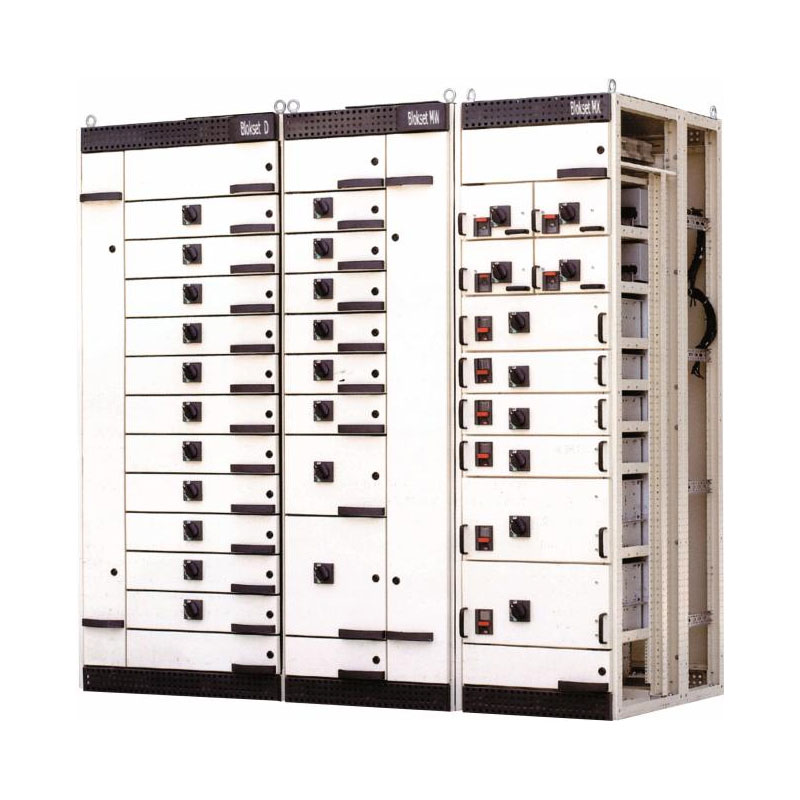
Medium Voltage Switchgear
Commonly used in:
Distribution networks
Industrial power systems
Substations
Factory electrical rooms
Ring Main Units (RMU)
In compact distribution equipment, interlocking devices help coordinate:
Load switch operation
Grounding switch operation
Cable compartment access
Metal-Enclosed Switchgear
For metal-clad and metal-enclosed systems, interlocking ensures safe operation between different compartments.
Key Design Considerations
A reliable Ground Switch Operating Mechanism Interlocking Device needs to consider several factors.
Mechanical Strength
The mechanism must withstand repeated operations without deformation or failure.
Important factors include:
Material selection
Shaft strength
Locking accuracy
Wear resistance
Operation Accuracy
The device must correctly detect switch positions.
Poor positioning accuracy may cause:
Incomplete locking
False operation permission
Mechanical interference
Service Life
Switchgear may operate for many years, so interlocking components need good durability.
Design considerations include:
Corrosion resistance
Lubrication requirements
Operating frequency
Environmental conditions
Common Materials Used
Different components may use different materials depending on their function.
Component
Common Materials
Locking plates
Stainless steel, galvanized steel
Shafts
Hardened steel
Springs
Spring steel
Housing parts
Steel alloys or engineering plastics
Material selection affects:
Mechanical strength
Corrosion resistance
Long-term reliability
Maintenance Tips for Interlocking Devices
Although interlocking systems are designed for long service life, regular inspection is still necessary.
Recommended checks include:
Check Mechanical Movement
Ensure that:
Shafts move smoothly
Locks engage correctly
No parts are stuck
Inspect Wear Parts
Pay attention to:
Springs
Pins
Moving joints
Keep Components Clean
Dust and contamination may affect mechanical movement, especially in outdoor or industrial environments.
The Ground Switch Operating Mechanism Interlocking Device may not be a visible part of electrical equipment, but it is an essential safety component inside modern switchgear systems.
By controlling the relationship between grounding switches, circuit breakers, and access mechanisms, it helps prevent dangerous operations, protect electrical assets, and improve maintenance safety.
We use cookies to offer you a better browsing experience, analyze site traffic and personalize content. By using this site, you agree to our use of cookies.Privacy Policy