Ningbo Richge Technology Co., Ltd.
News

What Should You Check When Selecting a Switchgear Fixing Ring Screw for Electrical Cabinets?

2026-10-10 0 Leave me a message

Abstract

A Switchgear Fixing Ring Screw is a fastening component used in switchgear assemblies. Selecting a suitable part requires attention to thread specifications, mounting geometry, material and surface treatment, mechanical requirements, and compatibility with the intended cabinet structure. A structured selection process helps equipment manufacturers and maintenance teams reduce assembly errors, simplify inspection, and support consistent installation quality.

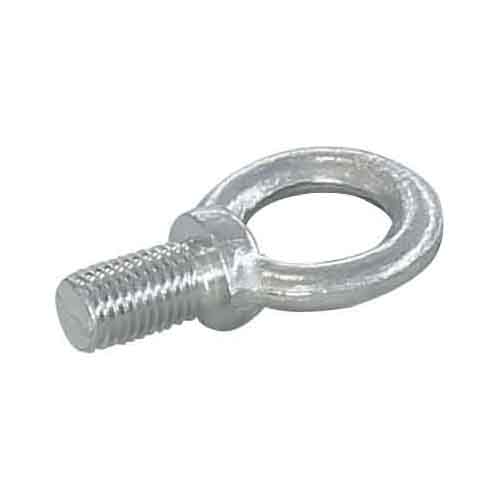
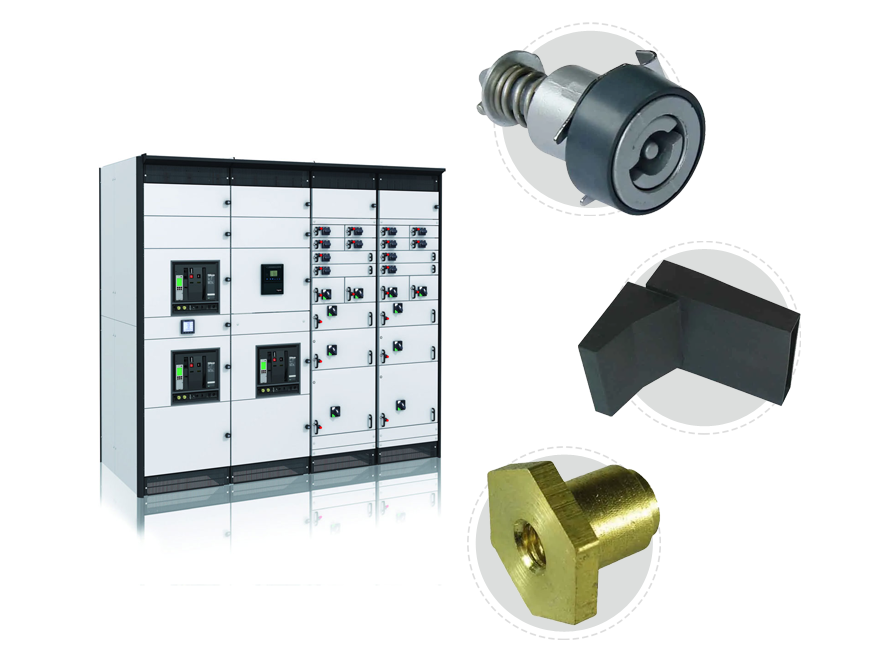
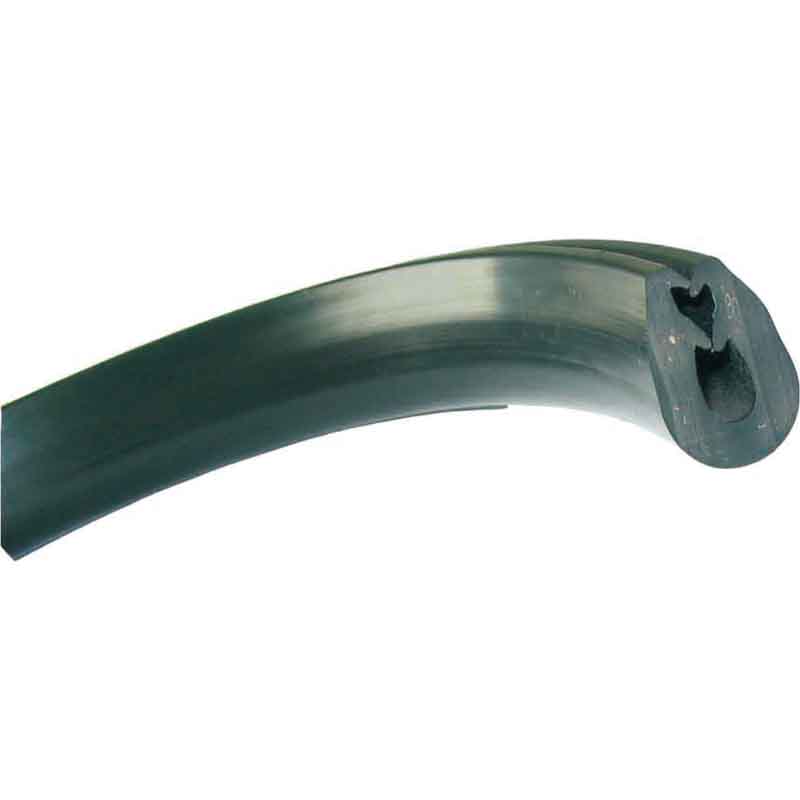
Switchgear fixing ring screw product image

Product reference: ring screw for switchgear assembly and fastening applications.

1. Understand the Component's Role in Cabinet Assembly

Electrical cabinets contain multiple interconnected parts, including mounting plates, structural supports, operating mechanisms, covers, and other accessories. Each fastening point must match the mechanical requirements of the assembly in which it is installed.

A ring-style screw may serve as a fastening or mounting point, depending on its design and the equipment manufacturer's intended application. Its ring geometry, threaded section, and contact surfaces should be assessed together rather than treated as interchangeable features.

Identify the Actual Mounting Function

Before selecting a component, determine whether it secures a structural part, supports an accessory, provides a mounting point, or performs another defined function. Similar-looking fasteners may have different load requirements and installation arrangements.

Review the cabinet assembly drawing and the component position. Confirm whether the fastener interacts with a threaded hole, nut, bracket, panel, or another mounting element. This simple step helps prevent mismatches during assembly.

Check the Intended Equipment Configuration

Switchgear designs vary by cabinet architecture and manufacturer. A component used in one assembly should not automatically be assumed compatible with another, even when the external shapes appear similar.

For equipment with established part numbering, verify the original designation and revision before ordering replacement hardware.

2. Verify Dimensions and Thread Specifications

Dimensional compatibility is one of the first technical checks to complete. A fastener may appear suitable but still fail to engage correctly, sit at the required position, or provide adequate contact with the mounting structure.

Measurements to Confirm

  • Thread diameter: Confirm the nominal diameter against the assembly drawing or approved specification.
  • Thread pitch: Verify that the thread matches the mating hole or nut.
  • Threaded length: Check that sufficient engagement is available without unwanted interference.
  • Overall length: Confirm the installed component will not obstruct adjacent parts.
  • Ring dimensions: Check the ring's internal opening, external profile, and thickness where applicable.
  • Contact surfaces: Ensure the bearing area suits the bracket, panel, or mounting interface.

Why Tolerance Matters

Manufacturing tolerances affect fit and assembly consistency. Excessive clearance can allow unwanted movement, while an overly tight fit can complicate installation or damage mating threads. The acceptable tolerance depends on the design and the applicable engineering specification.

When drawings provide dimensional tolerances, use them as the acceptance criteria. Avoid relying solely on visual comparison or a measurement taken from a worn component.

Practical tip: Provide a dimensioned drawing or a clearly identified part number when requesting a replacement. If measurements are incomplete, confirm the missing details with the engineering team before approving the component.

3. Evaluate Material Properties and Surface Finish

Material selection should reflect the fastener's mechanical function and its operating environment. The base metal, manufacturing process, and surface treatment can affect strength, corrosion behavior, wear resistance, and compatibility with surrounding components.

Compare the Relevant Material Characteristics

Steel fasteners may be appropriate where the design requires defined mechanical strength. Stainless steel may be considered when corrosion resistance is important, provided its mechanical properties and compatibility meet the application requirements. Other materials or finishes may be specified for particular cabinet systems.

No material should be selected based on a general label alone. The grade, heat treatment where applicable, coating specification, and required mechanical properties must be checked against the intended use.

Inspect the Surface Treatment

Surface finishes can help protect a component against corrosion and environmental exposure. However, performance depends on the specified treatment, coating thickness, preparation process, and conditions in service.

Inspect for visible rust, peeling, uneven coverage, burrs, and damage around the threads. If the fastener forms part of an electrical bonding or grounding arrangement, confirm the specified contact and coating requirements rather than assuming a coated surface is suitable.

4. Consider the Installation Environment

The surrounding environment influences which material, finish, and inspection measures are appropriate. Indoor cabinets in controlled facilities may face different conditions from outdoor enclosures exposed to moisture, dust, temperature changes, or industrial contaminants.

Selection Factor What to Check Recommended Action
Indoor installation Humidity, dust exposure, and cabinet conditions Match the finish and material to the specified indoor environment.
Outdoor installation Moisture, condensation, temperature changes, and contaminants Confirm corrosion protection and environmental suitability.
Mechanical loading Applied forces, vibration, and structural requirements Verify the required mechanical properties and retention method.
Electrical interface Clearance, insulation, bonding, and contact requirements Follow the approved electrical and mechanical design.
Maintenance access Tool clearance and accessibility during servicing Check the installation sequence and available working space.

Environmental suitability should be evaluated as part of the complete cabinet design. A corrosion-resistant fastener alone does not establish that the entire enclosure is suitable for outdoor or harsh industrial use.

5. Review Manufacturing Quality and Inspection Requirements

Consistent fastener quality supports repeatable assembly and helps reduce installation problems. Inspection should focus on the characteristics that determine fit, mechanical performance, and compatibility with the intended equipment.

Key Inspection Points

  • Visual condition: Check for cracks, deformation, burrs, corrosion, and surface damage.
  • Dimensional conformity: Compare critical dimensions with the approved drawing.
  • Thread quality: Inspect for damaged threads, irregular profiles, or signs of poor engagement.
  • Material identification: Confirm grade and traceability when required by the specification.
  • Coating consistency: Check the specified surface finish and any applicable coating requirements.
  • Documentation: Review inspection records and relevant material or conformity documents when required.

Match Inspection to the Application

Not every project requires the same inspection plan. Critical equipment assemblies may require documented measurements, material verification, or additional mechanical checks. Routine replacement parts may follow an established incoming-inspection procedure.

Acceptance criteria should be agreed upon before production or procurement. Clear criteria make it easier to determine whether a component meets the required specification and whether corrective action is necessary.

6. Follow a Practical Selection Checklist

A structured review helps purchasing, engineering, and quality teams work from the same requirements. The following sequence can be applied when specifying a new part or replacing an existing fastener.

Recommended Selection Sequence

  • Step 1 — Define the application: Identify the cabinet model, mounting location, and intended fastening function.
  • Step 2 — Confirm the part identity: Record the model number, drawing reference, or approved equivalent designation.
  • Step 3 — Verify dimensions: Check thread specifications, length, ring geometry, and mating interfaces.
  • Step 4 — Specify materials: Confirm the required metal grade, mechanical properties, and surface finish.
  • Step 5 — Review operating conditions: Consider corrosion exposure, vibration, temperature, and installation access.
  • Step 6 — Agree on inspection: Define dimensional tolerances, visual acceptance criteria, and documentation needs.
  • Step 7 — Validate compatibility: Confirm the component against the approved assembly design before routine installation.

Information to Include in a Technical Inquiry

When contacting a component supplier, provide the equipment application, required dimensions, material and finish specifications, drawing or part number, and expected inspection documents. Photos can help clarify the component's appearance, but they should supplement rather than replace dimensional information.

For assemblies with special requirements, identify any restrictions on substitutions. A visually similar component is not necessarily an approved replacement, particularly where mechanical loads, electrical clearances, or safety-related functions are involved.

7. Installation and Maintenance Considerations

Correct component selection is only part of reliable assembly. Installation practices should follow the equipment manufacturer's drawings, maintenance instructions, and applicable safety procedures.

During Installation

  • Verify the component designation before fitting it.
  • Check the mating threads and contact surfaces for contamination or damage.
  • Use the specified tightening method and torque where documented.
  • Ensure the component does not interfere with moving parts, wiring, insulation, or adjacent panels.
  • Confirm that any required locking or retention feature is installed correctly.

During Maintenance

Inspection intervals should reflect the equipment manufacturer's recommendations and the operating conditions. Look for loosening, deformation, corrosion, damaged threads, or changes in the mounting interface.

Replace components that do not meet the applicable acceptance criteria. Reuse should only be permitted when the design and maintenance instructions allow it and the part remains fit for service.

Safety reminder: Switchgear work must be performed by qualified personnel under the applicable isolation, lockout, verification, and electrical safety procedures. Never inspect or adjust fasteners inside energized equipment unless a specifically authorized procedure permits the task.

8. Frequently Asked Questions

1. What information is needed to identify the correct ring screw?

Start with the original part number or an approved drawing. Confirm the thread diameter and pitch, overall and threaded lengths, ring dimensions, material, surface finish, and mounting application. Photos can help with identification but should not replace dimensional verification.

2. Can a similar-looking fastener be used as a replacement?

Not without checking compatibility. The replacement must meet the required dimensions, mechanical properties, material and finish requirements, and installation function. Obtain engineering approval when substitutions affect the original design.

3. Which material is suitable for outdoor switchgear cabinets?

The choice depends on exposure conditions and the mechanical requirements. A suitable steel grade with an approved protective finish or an appropriate stainless steel grade may be considered. Verify the actual environmental and material specifications before selection.

4. Why should thread pitch be checked separately from diameter?

Thread diameter and pitch are different characteristics. Two fasteners may have the same nominal diameter but incompatible thread pitches. A mismatch can cause poor engagement, thread damage, or an inability to assemble the parts correctly.

5. What quality checks are useful before installation?

Inspect the component's dimensions, threads, surface finish, material identification where required, and visible condition. Compare the results with the approved drawing and acceptance criteria. Additional testing should follow the specific project requirements.

6. What should be included when requesting a customized component?

Provide a dimensioned drawing or technical specification, the intended application, material and finish requirements, applicable tolerances, required documentation, and the expected operating environment. Clarify any restrictions on alternative materials or designs before confirming the specification.

Conclusion

Choosing a suitable Switchgear Fixing Ring Screw requires a systematic review of dimensions, threading, materials, environmental conditions, and inspection requirements. These factors should be considered together with the component's actual function and the cabinet manufacturer's design.

Clear specifications and consistent verification help engineering, procurement, and maintenance teams avoid preventable mismatches and maintain repeatable assembly practices. For specialized switchgear components, the approved drawing and application requirements should always guide the final selection.

For product details and company information, visit Ningbo Richge Technology Co., Ltd. or contact the technical team with your component requirements.

Need Help Confirming Component Specifications?

Share your drawing, part number, dimensions, and application requirements to discuss suitable switchgear component options and technical details.

Contact Us

Related News
Leave me a message
X
We use cookies to offer you a better browsing experience, analyze site traffic and personalize content. By using this site, you agree to our use of cookies. Privacy Policy
RejectAccept