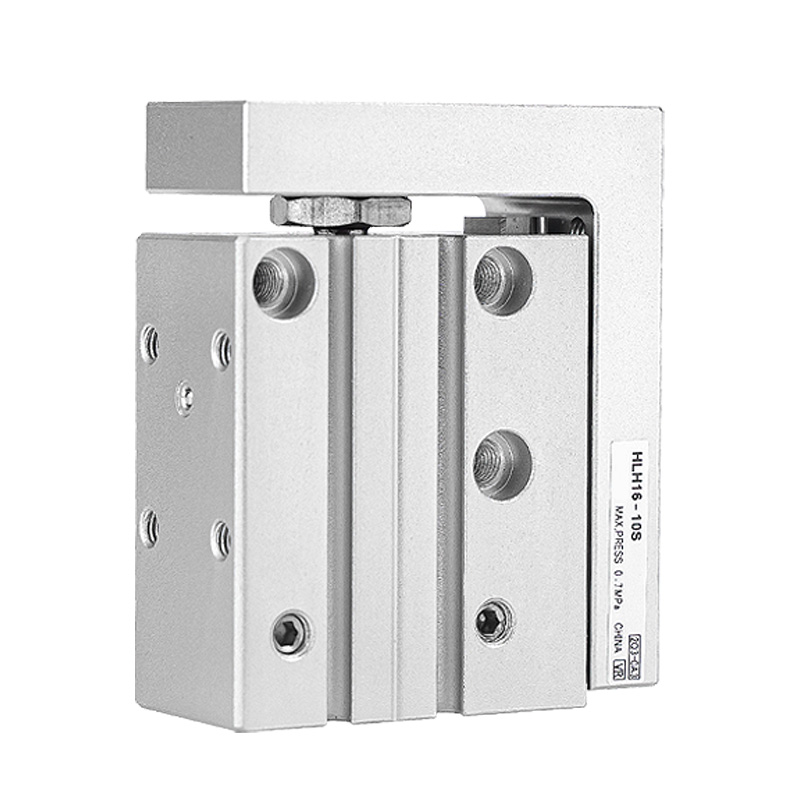
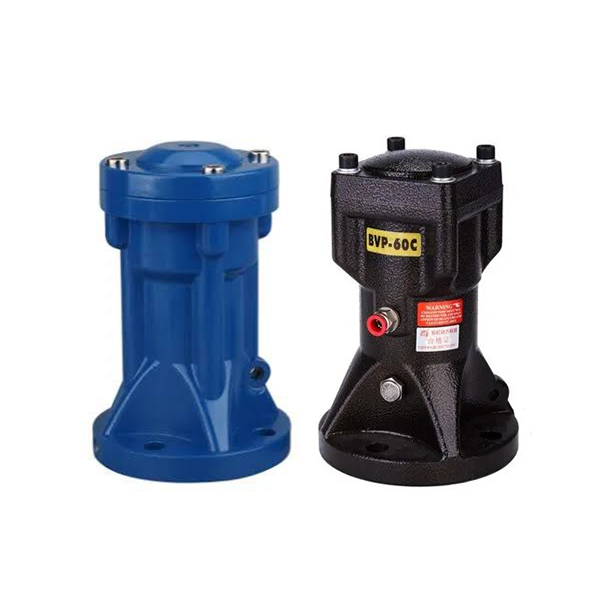
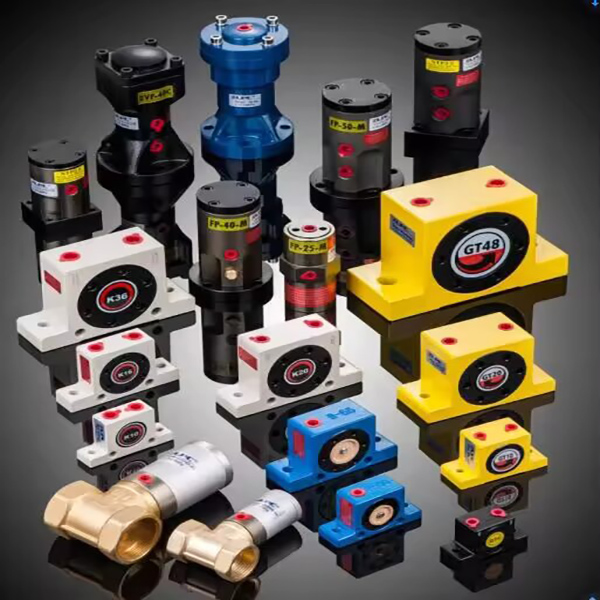
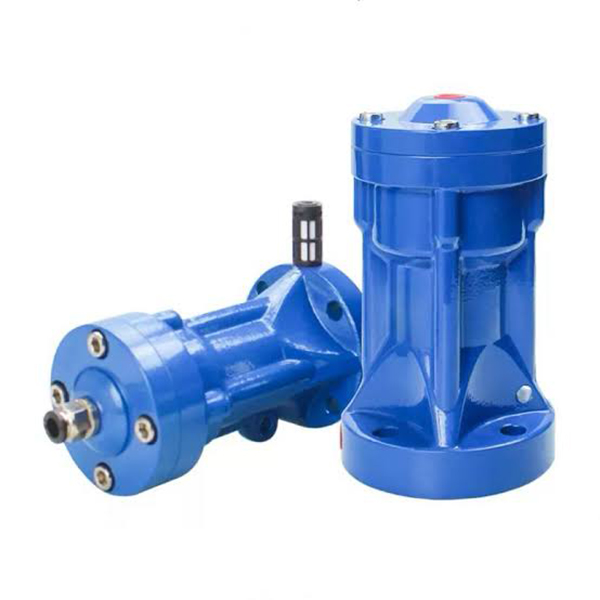
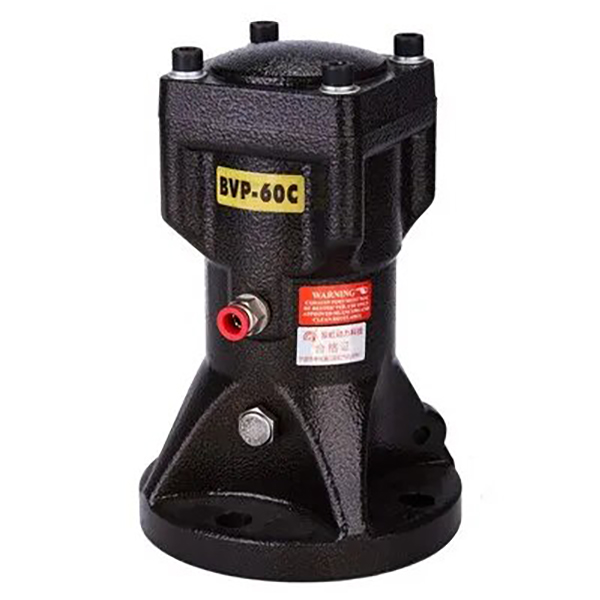
SOLH SK magnetic single-impact knockers and BVP continuous piston pneumatic vibrators are air-powered silo flow-aid devices without electrical parts. SK delivers one powerful pulse per trigger with low air consumption for stubborn bridging; BVP provides steady low-frequency impact for damp, caking powder. Both explosion-proof and low-noise, they complement K, GT, NTP and FP-M vibrator series for chemical, food and bulk material handling.
SOLH SK & BVP Series Pneumatic Vibrators (Single-Impact Magnetic Knocker & Continuous Piston Vibrator)
Brand: SOLH by Richge Technology | Air-Driven Industrial Vibrators for Silo, Hopper and Bin Discharging
1. Product Overview: Two Vibration Modes
SOLH offers two complementary air-driven solutions for material flow problems, and the first decision in any selection is which vibration mode the application actually needs. SK series delivers one strong pulse per actuation: the piston is held by magnetic force, releases instantly when air is supplied, and strikes the base once. BVP series delivers continuous low-frequency vibration: air drives the piston to reciprocate and strike the base repeatedly for as long as air is supplied.
Both are fully pneumatic, with no motor, no spring and no electrical component in the vibrating body, so they suit dust, humidity and explosive atmospheres. The difference is energy delivery: SK concentrates energy into a single impact to break a bridge without shaking the whole structure, while BVP spreads energy over time to keep material moving.
2. SK Series: Single-Impact Magnetic Pneumatic Knocker
Working principle: the piston is attracted and held by a magnet. When compressed air is supplied, the magnetic holding force is overcome and the piston is released, accelerating down the bore and striking the base once, generating a single strong shock wave rather than continuous vibration. The magnet then re-captures the piston and resets the unit for the next pulse.
Key features
•Single-impact output: one pulse per actuation, so the stored energy hits the wall once instead of exciting the whole silo structure continuously.
•Magnetic reset: no return spring, fewer moving parts and a long service life with low failure rate.
•Energy saving: air is consumed only during the release instant, from 0.028 to 1.012 L per stroke depending on model.
•Adjustable interval: pulse frequency is set externally by a solenoid valve or timer relay, so the knocker can be tuned to the discharge cycle.
•Explosion-proof and dust-proof: aluminium alloy housing with no electrical parts, suitable for chemical, food and powder handling.
Standard models @ 3-7 bar
Model
Impact Force (Ns)
Air Consumption (L/stroke)
Weight (kg)
SK-30
1.0 - 1.5
0.028
0.7
SK-40
3.3 - 5.1
0.082
1.8
SK-60
7.1 - 10.8
0.228
4.6
SK-80
12.0 - 18.0
0.455
9.2
SK-100
20.0 - 30.0
1.012
15.8
Applications: silo and hopper bridging, material sticking to the wall, and stubborn blocking where intermittent strong impact is required and continuous vibration would damage the equipment.
Working principle: compressed air drives the piston to reciprocate and strike at high frequency for as long as air is supplied, producing continuous low-frequency vibration in the same family as NTP / FP-M piston vibrators. Amplitude and frequency are regulated by supply pressure rather than by an external timer.
Key features
•Continuous impact: once air is on, the knocker keeps striking, which suits powders with poor flowability that need ongoing excitation.
•Low frequency, large amplitude: 1,350 - 2,850 cycles per minute gives deep penetration into the material column.
•Adjustable force and frequency: regulated by 0.2 - 0.6 MPa supply pressure to match different blocking conditions.
•Maintenance-free: no spring, internal self-lubrication, and can be mounted in any orientation.
Applications: light material sticking on silo walls, unstable discharge from pipes, and continuous flow assistance for fine, damp or easy-caking powders.
4. Selection Guide: SK vs BVP
The deciding question is whether the problem is a locked bridge or a slow, unstable flow. A locked bridge needs a single high-energy pulse delivered at the bridge location; a slow flow needs continuous excitation over the whole discharge cycle.
Dimension
SK Single-Impact Knocker
BVP Continuous Piston Vibrator
Energy delivery
One pulse per actuation, high peak force, no continuous excitation of the structure
Continuous reciprocating impact, low frequency and large amplitude
Air consumption
0.028 - 1.012 L per stroke, air used only at the release instant
230 - 270 L/min while running
Control
External solenoid valve or timer relay sets the pulse interval
Regulator sets pressure, hence force and frequency; runs while air is on
Best for
Severe bridging, thick-wall silos, equipment sensitive to vibration, energy-conscious plants
Light wall sticking, fine or damp powder, continuous production lines
Avoid when
Material needs constant excitation to keep flowing
The structure or nearby instrument cannot tolerate continuous vibration
5. Position Within the SOLH Vibrator Range
SK and BVP cover the impact-driven end of the range, while NTP / FP-M and K / GT cover continuous piston and rotary centrifugal duties respectively. Selecting across the three families is a matter of matching impact character to material behaviour.
•SK (single impact): intermittent high-energy shock, lowest air consumption, safest for equipment that must not be continuously shaken.
•BVP (continuous piston): ongoing low-frequency large-amplitude vibration for flow assistance on fine or damp powders.
•NTP / FP-M (piston, flange or thread mount): continuous impact in medium to large frames, flange base or thread mounting for silos and vibrating tables.
•K / GT (rotary centrifugal): high frequency, small amplitude, circular vibration for light compaction and fine powder flow.
6. Installation and Operation Notes
•Air quality: supply dry, filtered compressed air; avoid oil misters, as oil contaminates the piston bore and reduces impact force.
•Mounting position: fix the knocker on the silo wall or hopper slope where material bridges or sticks, and use the matching mounting plate or flange; BVP can be installed in any orientation, SK should follow the impact direction of the base.
•Pressure setting: operate within the rated range (SK 3 - 7 bar, BVP 0.2 - 0.6 MPa) and adjust upward only while the material still responds.
•Pulse timing: for SK, set the interval long enough for material to settle between strokes; over-frequent pulsing wastes air without improving discharge.
•Structure protection: on thin-wall silos, distribute the impact over a larger area with a mounting plate, and avoid mounting close to instrumentation.
•Maintenance: no scheduled lubrication is required, but check the air filter and piston bore periodically when impact force drops.
For inquiries about low voltage switchgear, high voltage insulators, high voltage earthing switch or price list, please leave your email to us and we will be in touch within 24 hours.
We use cookies to offer you a better browsing experience, analyze site traffic and personalize content. By using this site, you agree to our use of cookies. Privacy Policy